-
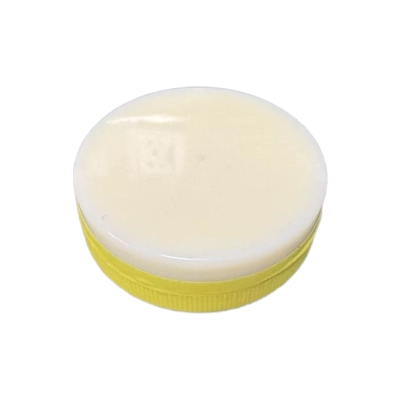
Customized standard radioactive sources
Using sealed leak-proof packaging, specific radionuclides are accurately and evenly incorporated into actual matrices (such as iodine boxes, aerosols, soil, bioash, plant ash, etc.) through trace addition or isotope exchange methods to simulate real scenarios for instrument calibration, method verification and value transfer. -
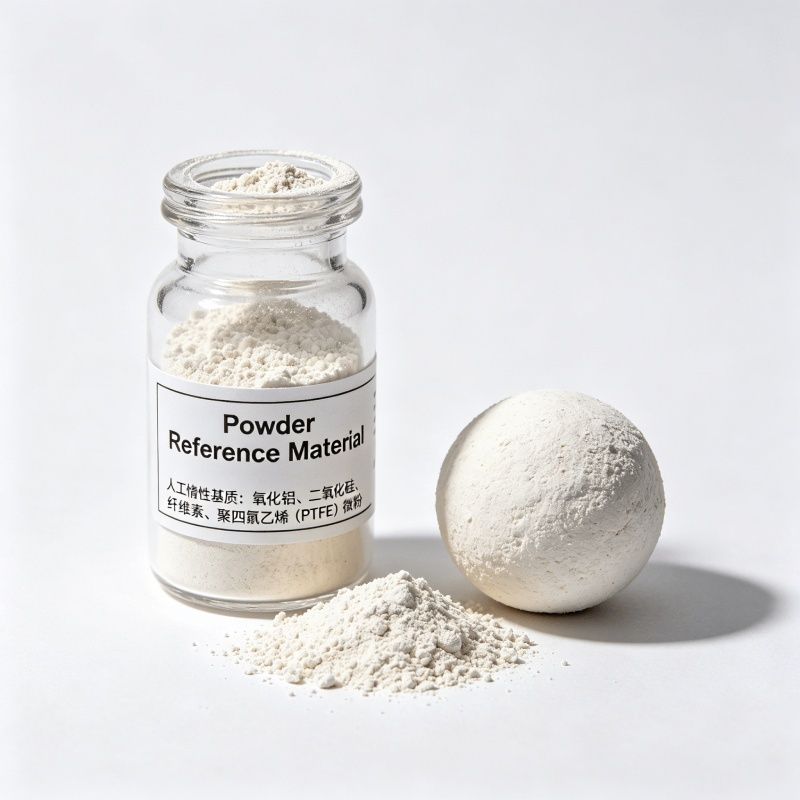
Powder standard material
Use artificial inert matrix, such as alumina, silica, cellulose, polytetrafluoroethylene micropowder, etc. The form is dry and uniform powder, which can be sealed and bottled or pressed into tablets for easy weighing and measurement.
-
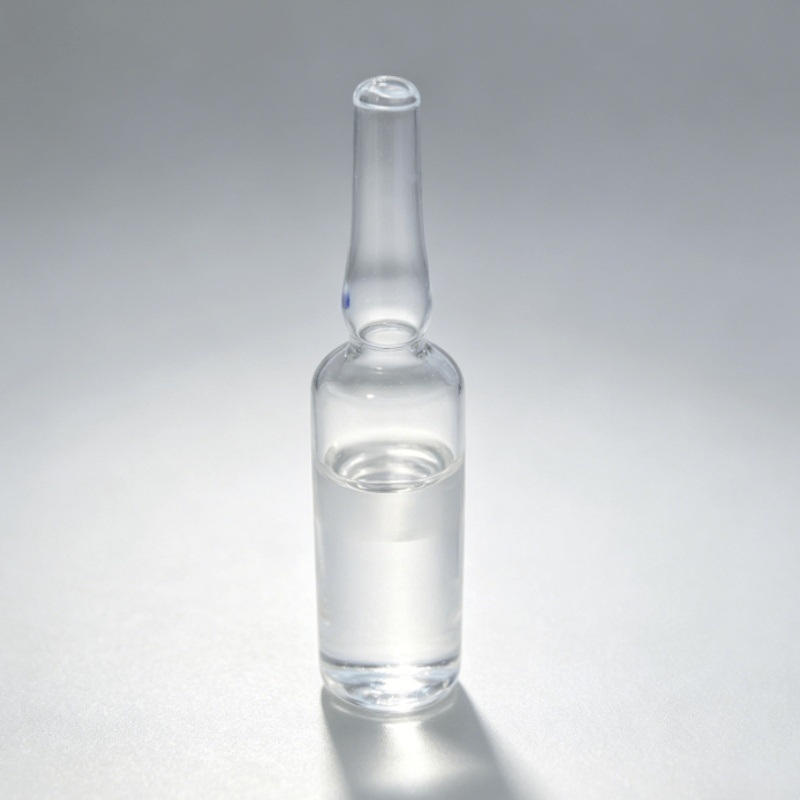
radioactive standard solution
Using aqueous solution, organic solution or suspension as the carrier, the nuclides are evenly distributed to ensure sampling representativeness. Strict preparation and quality control ensure that the activity in the container is consistent between different batches and can be traced for a long time. Mainly used for calibrating y-spectrometers, liquid scintillation counters, activity meters, etc. to determine detection efficiency and energy response.
-
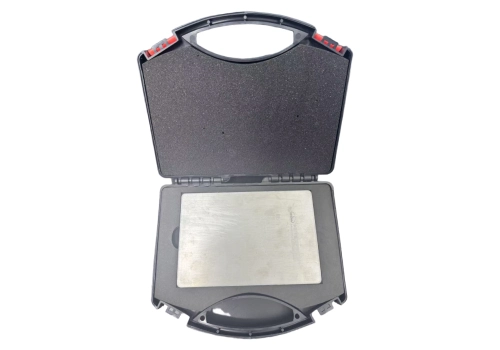
α,β area source
It is usually a high-purity aluminum sheet (or stainless steel sheet) with a thickness of about 0.3–3mm, ensuring mechanical strength and uniformity, and meeting the requirements of the GB/T 13694-2008 standard.
-
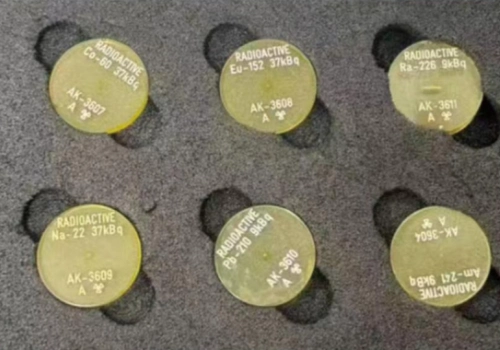
α, β, γ point sources
The outer packaging is in the form of an acrylic/epoxy resin or stainless steel disc, equipped with a ceramic/metal carrier, and the whole is sealed by electroplating. It is a standard source used to calibrate gamma spectrometers or nuclear detection equipment.

